Like most animals, birds also need to get their daily amount of sleep. Certain birds like swifts, songbirds, sandpipers and seabirds do not get the adequate amount of sleep since they are airborne day and night. So scientists assumed they are capable of sleeping while still in flight.
To verify their assumption, researchers fitted 14 red-breasted frigatebirds with miniature brain activity monitors and found that they are capable of sleeping mid-flight. The study found that the birds sleep for an average of 41 minutes per day, even while they are in flight. They take quick 12-second naps, usually using only half their brain but sometimes all of it.
Birds exhibit two forms of sleep: slow-wave sleep and rapid eye movement sleep (REM sleep), just like mammals. Slow-wave sleep can alternate between both hemispheres of the brain but REM sleep occurs simultaneously in both. In slow-wave sleep, the eye that is connected to the active hemisphere remains open. This allows the bird to sleep but still remain aware of its environment. If it isn't necessary for the bird to watch its environment, slow-wave sleep that involves both hemispheres takes control. REM sleep, which causes reduction in muscle tone, isn't likely when the bird is in flight, the study found.
Co-author of the study Niels Rattenborg ,from the Max Planck Institute for Ornithology in Germany, reportedly said, "Some people thought that all their sleep would have to be unihemispheric otherwise they would drop from the sky. But that's not the case – they can sleep with both hemispheres and they just continue soaring."
Showing posts with label birds. Show all posts
Friday, August 12, 2016
Thursday, January 21, 2016
For bird watchers in Pune
From dawn to dusk, they will have their eyes glued to the sky—looking out for all species of birds and keeping a record of them— engaging themselves in a race to beat other teams who are on a similar pursuit. This is the Pune bird race, which will be held on January 24 in the city, a unique competition wherein people passionate about bird watching, and not just ornithologists, but from different walks of life will come together to beat one another in the count of birds they have collected over the day.

Some of the rare bird species that have been recorded during the Pune Bird Races in the past include Isabelline Wheatear, Northern Goshawk, Sirkeer Malkoha, Mottled Wood owl, Eurasian Wryneck Common Buzzard, Bonelli’s Eagle, Greater Spotted Eagle and Eurasian Thick Knee, among others. “With well over 250 bird species recorded over the years in and around this city, and with a rising band of enthusiastic birdwatchers and photographers, Pune sure is a ‘bird hotspot’,” says Patil.
For the first time ever, Cornell scientists have tracked 118 species of birds migrating throughout the Western Hemisphere. The analyses’ results were published today in the journal Proceedings of the Royal Society B.
Some of the rare bird species that have been recorded during the Pune Bird Races in the past include Isabelline Wheatear, Northern Goshawk, Sirkeer Malkoha, Mottled Wood owl, Eurasian Wryneck Common Buzzard, Bonelli’s Eagle, Greater Spotted Eagle and Eurasian Thick Knee, among others. “With well over 250 bird species recorded over the years in and around this city, and with a rising band of enthusiastic birdwatchers and photographers, Pune sure is a ‘bird hotspot’,” says Patil.
For the first time ever, Cornell scientists have tracked 118 species of birds migrating throughout the Western Hemisphere. The analyses’ results were published today in the journal Proceedings of the Royal Society B.
Tuesday, August 25, 2015
An Educational Mixed Flock
I was upstate again this past weekend, collecting Desi from his week with his grandparents, and took a couple of hours early Sunday morning to visit my favorite Saugerties birding spot, the Great Vly. As is to be expected in late August there were many young birds around getting the hang of living life on their own. Green Herons, Eastern Kingbirds, Tree Swallows, Cedar Waxwings, and a host of other species were successful in breeding and there were a lot of birds around. But what really drew my attention was a particular patch of trees that had quite a few small passerines foraging.
There were Tufted Titmice and Black-capped Chickadees, White-breasted Nuthatches and American Redstart. The birds were busy, intent on finding their forage, so they paid little attention to the giant biped with his tripod.
Then I caught a quick glimpse of a small bird, very white below, that didn’t look quite like the Warbling Vireos that were also occupying the space. I’m not sure what keyed me in to this bird, but something seemed different. I tried to get another look at it but it seemed to have disappeared further back into another tree. Oh well. The Warbling Vireos were still around and I enjoyed watching a fledgling begging and its parent ignoring it.
Friday, July 24, 2015
ALL CREATURES GREAT AND LOCAL
After two weekends of cross-country birding, it was time to spend a bit of
time catching up on the local action. Monday 1st June was a long overdue day off
for me and with a few hours to kill, it made perfect sense to spend some time at
Cranford Park.
I have to admit that things were not as noisy as I had hoped for. Busy Blackbirds and Robins were showing well and the occasional alarm call from a Blackcap could be heard as I made my way into the woodland. Blue Tits were probably the most numerous of sightings with Chiffchaff a close second. With conditions overcast but the temperature reasonable, there was no shortage of insect action too, and my first Speckled Wood butterfly of the year put in an appearance.
Dominating the air within the woodland however were loads of Longhorn Moths. I think I spent a fair part of my walk through the woods gently waving these long antennaed Lepidoptera from my face.
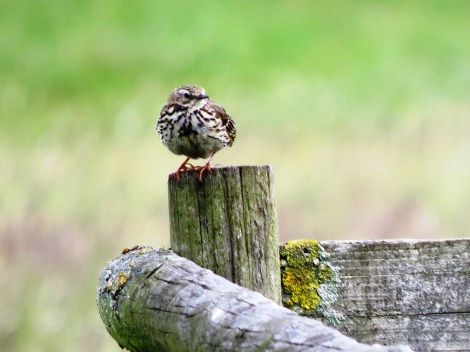
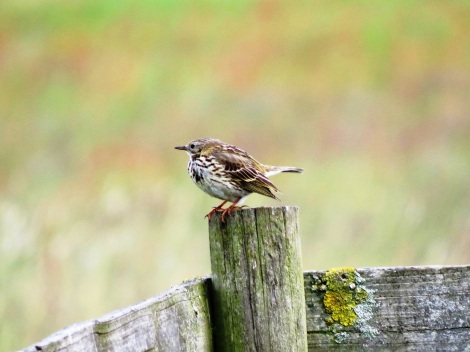
Both Green and Great Spotted Woodpeckers could be heard and briefly seen, but most tree holes seemed to have been occupied by Jackdaws. Long-tailed Tits and Wren were also seen in the woodland area along with an occasional Dunnock and the ever present Parakeets. The meadows of the park were sporadically busy with shy Whitethroat and a few Goldfinch zipping across the open grassland. There was neither sight not sound of any Skylark. Only the Meadow Pipits were putting in any kind of appearance and this youngster was very obliging.


The River Crane saw a long Grey Heron hunting and a single Kestrel over the Meadows. This female Orange Tip proved elusive to the camera but the final shot has something of an arty look to it so I’ve decided to throw it in!
With Mrs Sausage out at a conference on Saturday morning and some proper summer weather, I made a beeline for Staines Moor. Sightings here had been mixed over the week but there always seems to be something to see on the Moor and a free morning was too good to waste!
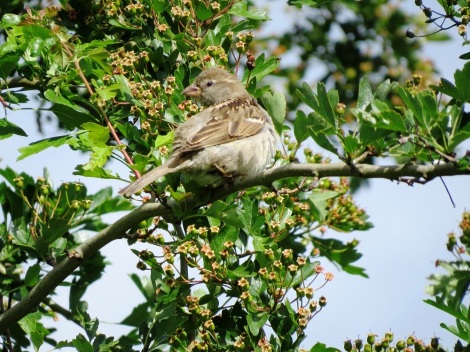
The walk down to Stanwell Moor brought Greenfinch, Goldfinch, hidden Goldcrest, a low-level Common Buzzard and this House Sparrow.

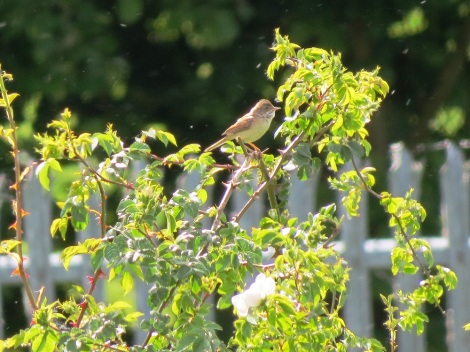
Having negotiated some very overgrown nettles, thistles and brambles, Stanwell Moor was awash with white fluffy Salicaceae seeds. A summer snowfall of light, wispy parachutes floating on the breeze. The seeds were sticking to anything and everything, including yours truly. You can just about pick them up on this picture of a singing Whitethroat.

The overgrowth of green foliage on Stanwell Moor was such that I expected to hear cries of help from lost birders any minute! Nettles and greenery over head height did make spotting insects and butterflies quite easy though, and my first Green-veined White butterfly of the year was spotted at eye level!
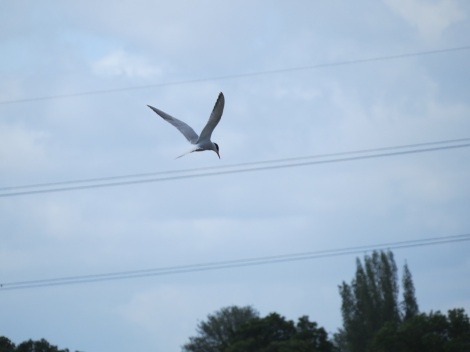
As I moved onto Staines Moor, I met the very affable Robert Martin. Being fairly new to birding on the moor, it was good to glean some knowledge from a regular. A Common Tern was giving fantastic views as it hunted along the Colne and I could have stood and watched this elegant bird all day long.

Flying back and forth, hovering then plunging into the river on regular occasions it was a lovely sight to behold.
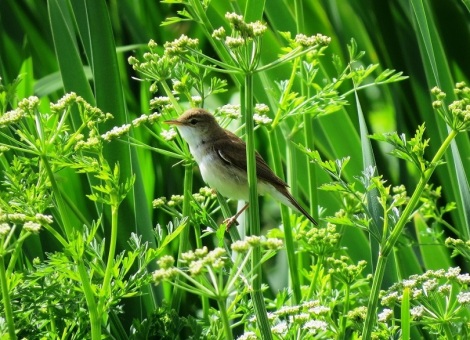
I was also lucky enough to finally get some clear views of the very vocal Reed Warbler I have been hearing on recent visits. Despite the breeze it remained in the open just long enough to get focus and steal a few shots.

I went from the obvious to the elusive in a few moments though as this Common Blue butterfly weaved a path at my feet. However, the closer I got to it with the camera, the lower and lower it descended lower into the grass, before hugging the depths and taking flight. So much for unobstructured views!
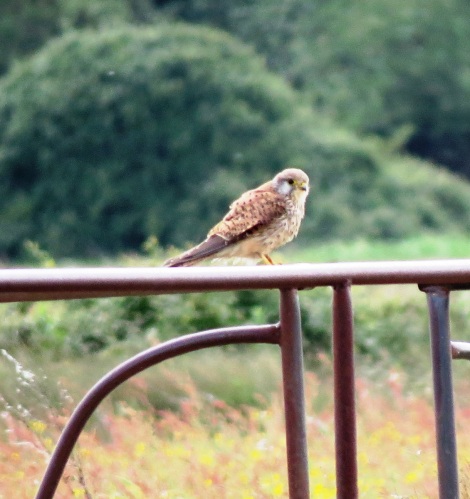
A noisy Green Woodpecker was moving across the north east section of the moor and seemed to be everywhere I went in that section, but it was staying grounded almost the whole time and didn’t show for a clear shot. This Kestrel was far more accommodating, resting on the bridge over the Colne just long enough for a few mid-range shots.

Raptor activity continued with a Red Kite over briefly before heading towards the reservoirs. As I made my way around Whitethroat, Goldfinch and Linnet were all spotted. This Linnet was perching helpfully in the open.
My walk back through the jungle of Stanwell Moor also offered the opportunity to get this Banded Demoiselle sitting at head height.
Sighting of the day however was this Little Owl in the horse paddock. Thanks to a heads up from Dominic Pia on Twitter! A short scan of the posts in the paddock brought a quick reward and my first Little Owl of the year!
I have to admit that things were not as noisy as I had hoped for. Busy Blackbirds and Robins were showing well and the occasional alarm call from a Blackcap could be heard as I made my way into the woodland. Blue Tits were probably the most numerous of sightings with Chiffchaff a close second. With conditions overcast but the temperature reasonable, there was no shortage of insect action too, and my first Speckled Wood butterfly of the year put in an appearance.
Dominating the air within the woodland however were loads of Longhorn Moths. I think I spent a fair part of my walk through the woods gently waving these long antennaed Lepidoptera from my face.
Both Green and Great Spotted Woodpeckers could be heard and briefly seen, but most tree holes seemed to have been occupied by Jackdaws. Long-tailed Tits and Wren were also seen in the woodland area along with an occasional Dunnock and the ever present Parakeets. The meadows of the park were sporadically busy with shy Whitethroat and a few Goldfinch zipping across the open grassland. There was neither sight not sound of any Skylark. Only the Meadow Pipits were putting in any kind of appearance and this youngster was very obliging.


The River Crane saw a long Grey Heron hunting and a single Kestrel over the Meadows. This female Orange Tip proved elusive to the camera but the final shot has something of an arty look to it so I’ve decided to throw it in!
With Mrs Sausage out at a conference on Saturday morning and some proper summer weather, I made a beeline for Staines Moor. Sightings here had been mixed over the week but there always seems to be something to see on the Moor and a free morning was too good to waste!
The walk down to Stanwell Moor brought Greenfinch, Goldfinch, hidden Goldcrest, a low-level Common Buzzard and this House Sparrow.

Having negotiated some very overgrown nettles, thistles and brambles, Stanwell Moor was awash with white fluffy Salicaceae seeds. A summer snowfall of light, wispy parachutes floating on the breeze. The seeds were sticking to anything and everything, including yours truly. You can just about pick them up on this picture of a singing Whitethroat.

The overgrowth of green foliage on Stanwell Moor was such that I expected to hear cries of help from lost birders any minute! Nettles and greenery over head height did make spotting insects and butterflies quite easy though, and my first Green-veined White butterfly of the year was spotted at eye level!
As I moved onto Staines Moor, I met the very affable Robert Martin. Being fairly new to birding on the moor, it was good to glean some knowledge from a regular. A Common Tern was giving fantastic views as it hunted along the Colne and I could have stood and watched this elegant bird all day long.

Flying back and forth, hovering then plunging into the river on regular occasions it was a lovely sight to behold.
I was also lucky enough to finally get some clear views of the very vocal Reed Warbler I have been hearing on recent visits. Despite the breeze it remained in the open just long enough to get focus and steal a few shots.

I went from the obvious to the elusive in a few moments though as this Common Blue butterfly weaved a path at my feet. However, the closer I got to it with the camera, the lower and lower it descended lower into the grass, before hugging the depths and taking flight. So much for unobstructured views!
A noisy Green Woodpecker was moving across the north east section of the moor and seemed to be everywhere I went in that section, but it was staying grounded almost the whole time and didn’t show for a clear shot. This Kestrel was far more accommodating, resting on the bridge over the Colne just long enough for a few mid-range shots.

Raptor activity continued with a Red Kite over briefly before heading towards the reservoirs. As I made my way around Whitethroat, Goldfinch and Linnet were all spotted. This Linnet was perching helpfully in the open.
My walk back through the jungle of Stanwell Moor also offered the opportunity to get this Banded Demoiselle sitting at head height.
Sighting of the day however was this Little Owl in the horse paddock. Thanks to a heads up from Dominic Pia on Twitter! A short scan of the posts in the paddock brought a quick reward and my first Little Owl of the year!
Tuesday, June 23, 2015
Colourful characters prepare for Hamilton bird show
It's never quiet in the Silsbee household in Hamilton.
Outside, bengalese, gouldian and zebra finches flit around in their cages, a symphony of chirps and flapping wings.
Harry the cockatiel courts long-time love Hazel while a pair of quail take their bottom spot in the pecking order, literally, searching for seed down below.
Daniel Silsbee 11, will be showing off some of these characters at the Annual Hamilton Cage Bird Club Show on July 4 and 5, at the Hamilton Gardens Pavilion.
"I don't know why I like birds but I've always wanted one since I was really young," he says.
Previously volunteering at the show, Daniel says he hopes to enter a few of his birds in the show's open category competition this year.
"I would like to take my bengalese that I bred this year. I don't know how many cages I can get so it depends on that.
"They judge the birds on different things like the sound they sing in, their colour and how they sit on their perch," he says.
Daniel credits the Hamilton Cage Bird Club for teaching him how to keep new additions from flying away and how to properly care for his birds so they can breed.
"You keep on learning stuff and it's nice to talk to people that know a lot about birds," he says.
Hamilton Cage Bird Club Secretary Clayton Putt says Daniel is the youngest member of the club, which holds monthly meetings and takes part in shows around the country.
"He's very keen. He loves his little birds.
"We've got to have younger members coming in, otherwise the club won't be able to continue and our bird-keeping knowledge will be lost to the next generation," he says.
Daniel's mother Lori Silsbee says they realised Daniel had a passion for birds from a young age, buying him a New Zealand bird identification book when he was 3 years old.
Outside, bengalese, gouldian and zebra finches flit around in their cages, a symphony of chirps and flapping wings.
Harry the cockatiel courts long-time love Hazel while a pair of quail take their bottom spot in the pecking order, literally, searching for seed down below.
Daniel Silsbee 11, will be showing off some of these characters at the Annual Hamilton Cage Bird Club Show on July 4 and 5, at the Hamilton Gardens Pavilion.
"I don't know why I like birds but I've always wanted one since I was really young," he says.
Previously volunteering at the show, Daniel says he hopes to enter a few of his birds in the show's open category competition this year.
"I would like to take my bengalese that I bred this year. I don't know how many cages I can get so it depends on that.
"They judge the birds on different things like the sound they sing in, their colour and how they sit on their perch," he says.
Daniel credits the Hamilton Cage Bird Club for teaching him how to keep new additions from flying away and how to properly care for his birds so they can breed.
"You keep on learning stuff and it's nice to talk to people that know a lot about birds," he says.
Hamilton Cage Bird Club Secretary Clayton Putt says Daniel is the youngest member of the club, which holds monthly meetings and takes part in shows around the country.
"He's very keen. He loves his little birds.
"We've got to have younger members coming in, otherwise the club won't be able to continue and our bird-keeping knowledge will be lost to the next generation," he says.
Daniel's mother Lori Silsbee says they realised Daniel had a passion for birds from a young age, buying him a New Zealand bird identification book when he was 3 years old.
Tuesday, May 5, 2015
Feathery fossils peg early birds to even earlier date
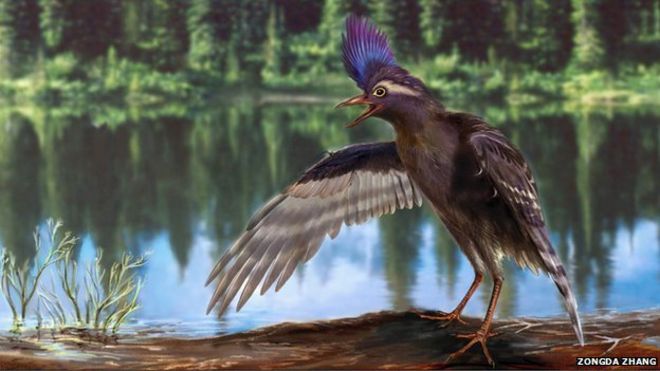
Scientists in China have described a new species of early bird, from two fossils with intact plumage dating to 130 million years ago.
Based on the age of the surrounding rocks, this is the earliest known member of the clade that produced today's birds: Ornithuromorpha.
It pushes back the branching-out of this evolutionary group by at least five million years.
The little bird appears to have been a wader, capable of nimble flight.
The discovery is reported in the journal Nature Communications.
Birds began to evolve from the dinosaurs some 150 million years ago at the tail end of the Jurassic period. This is the age of the famous but hotly contested "first bird" Archaeopteryx - now considered by many to be a feathered dinosaur.
Some 20 million years later, when the newfound species was wading and flitting through what would become north-eastern China, palaeontologists believe there was quite a variety of bird life.
Bare legs
About half of those species were Enantiornithes, a group of early birds with teeth and clawed wings that eventually all died out.
The other half, including the new find, were Ornithuromorpha - a group that eventually gave rise to modern birds and looked much more like them.
The branching event behind that forked diversity is what the new discovery pushes back in time; previously the earliest known Ornithuromorph was 125 million years old.
Based on the age of the surrounding rocks, this is the earliest known member of the clade that produced today's birds: Ornithuromorpha.
It pushes back the branching-out of this evolutionary group by at least five million years.
The little bird appears to have been a wader, capable of nimble flight.
The discovery is reported in the journal Nature Communications.
Birds began to evolve from the dinosaurs some 150 million years ago at the tail end of the Jurassic period. This is the age of the famous but hotly contested "first bird" Archaeopteryx - now considered by many to be a feathered dinosaur.
Some 20 million years later, when the newfound species was wading and flitting through what would become north-eastern China, palaeontologists believe there was quite a variety of bird life.
Bare legs
About half of those species were Enantiornithes, a group of early birds with teeth and clawed wings that eventually all died out.
The other half, including the new find, were Ornithuromorpha - a group that eventually gave rise to modern birds and looked much more like them.
The branching event behind that forked diversity is what the new discovery pushes back in time; previously the earliest known Ornithuromorph was 125 million years old.
Tuesday, December 11, 2012
These Facts About Birds
Birds are the sixth group of animals. They are known for their ability to
fly. No other living being then birds and few insects can fly as their natural
ability. But not all birds have this ability, some birds, like penguin, ostrich
etc are the species of birds because of their build like birds but they cannot
fly. Birds know some of the best aerobatics. Humming bird can stay still in the
air, eagles can attack on their prey pin point by coming down at great speeds
from height. Some more facts about birds are given below.
1. Groups
Birds belong to sixth group of animals and there are further 30 groups of birds. These groups are not subgroups but contain 30 different natures of birds.
2. 9865 species
There are total 9865 species of birds alive today. According to experts, after year 1500, 133 species vanish from earth and there may be more about which we do not know. 1227 species are threatened with extinction and there are 4 species that have gone extinct from wild and only few of them are surviving in captivity.
3. Earliest known bird
The earliest known bird lived in Jurassic period 150 million years ago. The archaeopteryx is the first known bird. Its first fossil was found in 1861 and kept in London. It did not have basic features of flight so experts are uncertain about its flight.
4. Evolutionists
The supporters of evolution theory are still confused about the evolution of birds. They are uncertain about the origin of the birds. They believe that birds evolved from a dinosaur named theropods but not all the characteristics of both are similar.
5. Feathers
Feathers are the uniqueness of the birds. No other living being has feathers. The main function of feathers is to help birds fly. The other functions are waterproofing, protection from UV rays and protection from other harmful elements.
6. Not only birds can fly
Other than birds, only one mammal can fly, the bats and insects too can fly but not same as birds.
7. Laying eggs
All birds produce by laying eggs. Their eggs vary in size, too big birds lay big sized eggs while small birds lay small sized eggs. Similarly their nests and the new born are also different in size shape and nature.
8. Seasonal migration
There are many species of the birds that migrate to great distances from the wintering ground. Many species follow similar routes to migrate. These routes are called flyways.
9. Birds do not have teeth
Birds do not have teeth but instead they have bills. These bills are according to the food intake of birds.
10. Ostrich
The largest of all birds is ostrich. Its body has long legs, small head and a heavy body. they are able to run at 45 miles half an hour.

1. Groups
Birds belong to sixth group of animals and there are further 30 groups of birds. These groups are not subgroups but contain 30 different natures of birds.
2. 9865 species
There are total 9865 species of birds alive today. According to experts, after year 1500, 133 species vanish from earth and there may be more about which we do not know. 1227 species are threatened with extinction and there are 4 species that have gone extinct from wild and only few of them are surviving in captivity.
3. Earliest known bird
The earliest known bird lived in Jurassic period 150 million years ago. The archaeopteryx is the first known bird. Its first fossil was found in 1861 and kept in London. It did not have basic features of flight so experts are uncertain about its flight.

4. Evolutionists
The supporters of evolution theory are still confused about the evolution of birds. They are uncertain about the origin of the birds. They believe that birds evolved from a dinosaur named theropods but not all the characteristics of both are similar.
5. Feathers
Feathers are the uniqueness of the birds. No other living being has feathers. The main function of feathers is to help birds fly. The other functions are waterproofing, protection from UV rays and protection from other harmful elements.
6. Not only birds can fly
Other than birds, only one mammal can fly, the bats and insects too can fly but not same as birds.
7. Laying eggs
All birds produce by laying eggs. Their eggs vary in size, too big birds lay big sized eggs while small birds lay small sized eggs. Similarly their nests and the new born are also different in size shape and nature.
8. Seasonal migration
There are many species of the birds that migrate to great distances from the wintering ground. Many species follow similar routes to migrate. These routes are called flyways.
9. Birds do not have teeth
Birds do not have teeth but instead they have bills. These bills are according to the food intake of birds.
10. Ostrich
The largest of all birds is ostrich. Its body has long legs, small head and a heavy body. they are able to run at 45 miles half an hour.
Wednesday, December 14, 2011
Working With Baby Birds

- Body handling. If you help your baby bird become accustomed to being gently handled now, you will prevent many problems later. For example, gently playing with your bird’s feet and toes will help it tolerate toenail filing. Gently lift its wings, so a trip to the groomer doesn’t become a nightmare later on.
- Toweling: Start using the towel as part of your play with your baby bird, gradually working into wrapping your bird up in the towel. When you or your vet need to wrap the bird in the towel for its own safety, the experience will be much less stressful.
- Beaking: Baby birds use their beaks to explore, but now is the time to let your bird know that anything beyond gentle nibbles is unacceptable. Frown and tell your bird “No,” and leave it alone for a minute or two, so it associates biting with being put in “time-out.”
- Harness: It can take some time before a bird accepts wearing a harness or flight suit, but things will go more smoothly if you start when the bird is young. Once you get your bird into the harness, take it outside, at least briefly, so it learns why the harness is worth the bother. It’s also a good time to try out the carrier. Take short car rides that don’t end at the vet each time, and your bird might look forward to them.
Monday, November 14, 2011
Something About Parrots
The parrots are a broad order of more than 350 birds. Macaws, Amazons, lorikeets, lovebirds, cockatoos and many others are all considered parrots.

Though there is great diversity among these birds, there are similarities as well. All parrots have curved beaks and all are zygodactyls, meaning they have four toes on each foot, two pointing forward and two projecting backward. Most parrots eat fruit, flowers, buds, nuts, seeds, and some small creatures such as insects.
Parrots are found in warm climates all over most of the world. The greatest diversities exist in Australasia, Central America, and South America.
Many parrots are kept as pets, especially macaws, Amazon parrots, cockatiels, parakeets, and cockatoos. These birds have been popular companions throughout history because they are intelligent, charismatic, colorful, and musical. Some birds can imitate many nonavian sounds, including human speech. The male African gray parrot (Psittacus erithacus) is the most accomplished user of human speech in the animal world; this rain forest-dweller is an uncanny mimic.
Currently the Convention on International Trade in Endangered Species (CITES) bans the sale of any wild-caught species, yet the parrots' popularity continues to drive illegal trade.
Some parrot species are highly endangered. In other cases, once tame birds have reproduced in the wild and established thriving feral populations in foreign ecosystems. The monk (green) parakeet, for example, now lives in several U.S. states.

Though there is great diversity among these birds, there are similarities as well. All parrots have curved beaks and all are zygodactyls, meaning they have four toes on each foot, two pointing forward and two projecting backward. Most parrots eat fruit, flowers, buds, nuts, seeds, and some small creatures such as insects.
Parrots are found in warm climates all over most of the world. The greatest diversities exist in Australasia, Central America, and South America.
Many parrots are kept as pets, especially macaws, Amazon parrots, cockatiels, parakeets, and cockatoos. These birds have been popular companions throughout history because they are intelligent, charismatic, colorful, and musical. Some birds can imitate many nonavian sounds, including human speech. The male African gray parrot (Psittacus erithacus) is the most accomplished user of human speech in the animal world; this rain forest-dweller is an uncanny mimic.
Currently the Convention on International Trade in Endangered Species (CITES) bans the sale of any wild-caught species, yet the parrots' popularity continues to drive illegal trade.
Some parrot species are highly endangered. In other cases, once tame birds have reproduced in the wild and established thriving feral populations in foreign ecosystems. The monk (green) parakeet, for example, now lives in several U.S. states.
Thursday, November 10, 2011
The Interesting Courtship Behavior Of Hummingbirds
Hummingbird is a small bird of the Trochilidae family. The rapid beating of the hummingbirds wings (60 to 80 beats per second) makes the distinctive humming sound from which they get their name.
They are found only in North America and South America.
The hummingbird range extends as far north as southeastern Alaska and the hummingbird range extends as far south as southern Chile.
South America has the biggest variety of hummingbirds and more than half the species are found there. The country of Ecuador in northwestern South America has the largest number of hummingbirds of any one country with 163 different species.
The Hummingbirds courtship behavior is very interesting
They communicate with one another by making visual displays. Males sometimes raise the feathers bordering the gorget and toss their heads from side to side, while uttering shrill sounds. Females and young are more likely to do perched displays in which they spread their tail feathers to show the white tips.
Sometimes both males and females do shuttle-flights, which are rapid back and forth movements in front of another bird. During the shuttle flight, the tail and gorget may be displayed.
Dive display are only done by the males. At key points in the dive, buzzing, whistling, or popping sounds might be made with the wing feathers or the vocal cords. The trajectory of the dive is U-shaped. At the top of the arc, the bird may be quite high in the air.
The narrowly-focused shuttle dance of the male is usually part of a courtship ritual. After finding a ready female, he flies in front of her in short, rapid arcs. The dance field may be about ten inches wide.
We once saw a black-chinned hummingbird shuttle like this in front of a female that was perched in a mesquite. Looking intimidated, she moved her head back and forth to watched his awesome arial movements, which were only inches from her face; then she hung upside-down by her toes as he mounted her.
In some hummingbirds--mostly species that are south of the border--the males gather in communities, which are called leks. Then they all sing together to try to entice females to come into the neighborhood for mating.
They are found only in North America and South America.
The hummingbird range extends as far north as southeastern Alaska and the hummingbird range extends as far south as southern Chile.
South America has the biggest variety of hummingbirds and more than half the species are found there. The country of Ecuador in northwestern South America has the largest number of hummingbirds of any one country with 163 different species.
The Hummingbirds courtship behavior is very interesting
They communicate with one another by making visual displays. Males sometimes raise the feathers bordering the gorget and toss their heads from side to side, while uttering shrill sounds. Females and young are more likely to do perched displays in which they spread their tail feathers to show the white tips.
Sometimes both males and females do shuttle-flights, which are rapid back and forth movements in front of another bird. During the shuttle flight, the tail and gorget may be displayed.
Dive display are only done by the males. At key points in the dive, buzzing, whistling, or popping sounds might be made with the wing feathers or the vocal cords. The trajectory of the dive is U-shaped. At the top of the arc, the bird may be quite high in the air.
The narrowly-focused shuttle dance of the male is usually part of a courtship ritual. After finding a ready female, he flies in front of her in short, rapid arcs. The dance field may be about ten inches wide.
We once saw a black-chinned hummingbird shuttle like this in front of a female that was perched in a mesquite. Looking intimidated, she moved her head back and forth to watched his awesome arial movements, which were only inches from her face; then she hung upside-down by her toes as he mounted her.
In some hummingbirds--mostly species that are south of the border--the males gather in communities, which are called leks. Then they all sing together to try to entice females to come into the neighborhood for mating.
Sunday, October 23, 2011
Birds are our friends
1-Birds will be more comfortable coming to feeders if you have some cover in your yard, whether that is provided in the form of trees, shrubs, or even a brush pile or two

2- You’ll get more birds if you also have a source of fresh and clean water.
3- Keep your feeders well off the ground if you have prowling neighborhood cats in the area, or consider a fence that closes off access by cats into your yard.
Hanging feeders, such as gazebos and tube feeders, will attract many small songbirds that like to perch in trees. There are a huge variety of these birds, which include chickadees, warblers, vireos, finches, and some tree sparrows like Chipping Sparrows. Heavier and larger birds, and birds that forage on the ground will avoid hanging feeders. These birds will come readily to platform feeders and include: robins, doves, grosbeaks, jays, and many ground and shrub-foraging sparrows like White-crowned Sparrows and Dark-eyed Juncos.
Hummingbirds and Orioles each have nectar feeders specifically designed for them. The choice of feeder is mostly aesthetic, but be sure that it is easy to fill and clean. Providing fresh fruit in your yard, either nailed to a surface that provides a perch or presented in a specialized fruit feeder, will attract any frugivore including orioles. Suet feeders will round out the bunch, and will attract any bark-foraging birds like woodpeckers, flickers, nuthatches, and chickadees.
No matter your feeder type, be sure that it’s easy to fill and clean! You can save yourself a lot of frustration in the future this way, especially if you are successful in attracting lots of birds. Also, make sure the feeder is designed to protect the contents from rain and has good drainage for any moisture that finds its way inside. Remember to hang your feeder so that it’s easy to reach!
Feeders can be filled with a number of different small nuts or seeds. Black-oil sunflower seed is an all-purpose seed that many birds like and it keeps well because it is protected inside its shell. I have had no luck using bags of mixed seed to fill hanging feeders, because most of the seed is usually wasted. Each species will prefer a different seed, and will dig through the mix until they get it, dropping whatever is in their way onto the ground. It’s much better to provide the seeds individually in different feeders.
If you are interested in bird diversity, provide several feeder and feed types in your yard. Experiment with the placement of those feeders to find that magic combination of shelter and openness that will make your birds flock in! No matter what else you do, remember to enjoy the birds that come into your yard. Happy birding!
3- Keep your feeders well off the ground if you have prowling neighborhood cats in the area, or consider a fence that closes off access by cats into your yard.
Hanging feeders, such as gazebos and tube feeders, will attract many small songbirds that like to perch in trees. There are a huge variety of these birds, which include chickadees, warblers, vireos, finches, and some tree sparrows like Chipping Sparrows. Heavier and larger birds, and birds that forage on the ground will avoid hanging feeders. These birds will come readily to platform feeders and include: robins, doves, grosbeaks, jays, and many ground and shrub-foraging sparrows like White-crowned Sparrows and Dark-eyed Juncos.
Hummingbirds and Orioles each have nectar feeders specifically designed for them. The choice of feeder is mostly aesthetic, but be sure that it is easy to fill and clean. Providing fresh fruit in your yard, either nailed to a surface that provides a perch or presented in a specialized fruit feeder, will attract any frugivore including orioles. Suet feeders will round out the bunch, and will attract any bark-foraging birds like woodpeckers, flickers, nuthatches, and chickadees.
No matter your feeder type, be sure that it’s easy to fill and clean! You can save yourself a lot of frustration in the future this way, especially if you are successful in attracting lots of birds. Also, make sure the feeder is designed to protect the contents from rain and has good drainage for any moisture that finds its way inside. Remember to hang your feeder so that it’s easy to reach!
Feeders can be filled with a number of different small nuts or seeds. Black-oil sunflower seed is an all-purpose seed that many birds like and it keeps well because it is protected inside its shell. I have had no luck using bags of mixed seed to fill hanging feeders, because most of the seed is usually wasted. Each species will prefer a different seed, and will dig through the mix until they get it, dropping whatever is in their way onto the ground. It’s much better to provide the seeds individually in different feeders.
If you are interested in bird diversity, provide several feeder and feed types in your yard. Experiment with the placement of those feeders to find that magic combination of shelter and openness that will make your birds flock in! No matter what else you do, remember to enjoy the birds that come into your yard. Happy birding!
Thursday, October 20, 2011
Protect the Marine and birds
Spanish diplomacy has prevailed over environmental protection. On Tuesday, the Environment Ministry published its proposed list of the maritime areas that it wants the government to declare as national preserves.
However, in an effort to head off any diplomatic spats, ministry officials have eliminated three areas located in international waters, including two that are in an area of jurisdiction that is disputed with Gibraltar and Morocco.
Nevertheless, environmentalists are praising the government's move to declare 41 other areas as marine bird sanctuaries, saying that "it is a big step forward" in Spanish conservation efforts.

In total, the so-called Special Protection Zones for Birds total more than 50,000 square kilometers of areas along the coast of the Spanish peninsula and the Balearic and Canary Islands.
Strict controls will be enforced in each zone to keep oil tankers away and to ensure that birds that forage in these waters are not accidentally caught in fishermen's nets.
The Spanish Society of Ornithology (SEO-Birdlife), with financing from the European Union, helped ministry officials identify more than 37,000 kilometers of the most sensitive areas and, using GPS, spotted and listed more than 200 marine birds. Among the first tracts to appear in the SEO's proposed list were the Chafarina Islands, located some 2.5 miles off the coast of Morocco, where there are colonies of Cory's Shearwaters and Audouin's Gulls - both endangered species.
The SEO also included a part of the Straits of Gibraltar, which is located on the principle African-European migratory route, and the Banco de la Concepción, which lies just north of the Canaries.
José Jiménez, the director general of the Forestry Police, explained on Tuesday that the government decided to eliminate these areas from the initial protected-zone list because they are located in international waters. "Where there are disputes, we are going to sit down with the Foreign Ministry and study this issue more profoundly," he said.
Spain recently ignited a diplomatic rift when it declared the Bay of Algeciras a Site of Community Interest, which London immediately challenged before the European courts. The complaint was later thrown out by the justices.
Spain doesn't recognize any of Gibraltar's sovereignty claims to the waters surrounding the British overseas territory.
"Sites of Community Interest are designed to protect certain species and they must be justified," Jiménez said. The Forestry Police head also said he agreed with the Environment Ministry's decision not to designate the three areas in international waters Special Protection Zones for Birds because there "exist more than just scientific questions." The government doesn't want to create any unnecessary conflicts and has opted to study the matter before declaring the areas protected sites.
In 2006, the State Council prepared a report concerning the implications of designating protected zones in international waters. The report states that the Chafarina Islands were already declared a "national hunting refuge" in 1982, and recommended that if the government was going to extend the protected area, it should do so in conjunction with the Moroccan authorities.
SEO-Birdlife officials say they are disappointed by the Spanish government's decision to exclude the three areas from the list but reiterated that the ministry's designation of 41 other maritime areas "is a big step toward the conservation of our seas."
Pep Arcos, head of the SEO Marine Program, explained that even though an area is designated a special marine protection zone, "existing uses would remain" for the waters, such as fishing, but fishermen and others must avoid causing any injury to the birds. Arcos, however, admits that any approval of gas or oil exploration permits in these protected areas is more complicated.
The Environment Ministry has set a November 8 deadline for anyone who wants to file comments concerning the areas. Jiménez, for his part, hopes that the government will approve the designated areas before the current term expires.
Spain is far ahead of other European countries in this process of designation, Jiménez added. SEO-Birdlife acknowledged that it has been difficult to approve such protected zone designations in the past, but says this has been a commitment that has been driven by the past two Environment ministers.
However, in an effort to head off any diplomatic spats, ministry officials have eliminated three areas located in international waters, including two that are in an area of jurisdiction that is disputed with Gibraltar and Morocco.
Nevertheless, environmentalists are praising the government's move to declare 41 other areas as marine bird sanctuaries, saying that "it is a big step forward" in Spanish conservation efforts.
Strict controls will be enforced in each zone to keep oil tankers away and to ensure that birds that forage in these waters are not accidentally caught in fishermen's nets.
The Spanish Society of Ornithology (SEO-Birdlife), with financing from the European Union, helped ministry officials identify more than 37,000 kilometers of the most sensitive areas and, using GPS, spotted and listed more than 200 marine birds. Among the first tracts to appear in the SEO's proposed list were the Chafarina Islands, located some 2.5 miles off the coast of Morocco, where there are colonies of Cory's Shearwaters and Audouin's Gulls - both endangered species.
The SEO also included a part of the Straits of Gibraltar, which is located on the principle African-European migratory route, and the Banco de la Concepción, which lies just north of the Canaries.
José Jiménez, the director general of the Forestry Police, explained on Tuesday that the government decided to eliminate these areas from the initial protected-zone list because they are located in international waters. "Where there are disputes, we are going to sit down with the Foreign Ministry and study this issue more profoundly," he said.
Spain recently ignited a diplomatic rift when it declared the Bay of Algeciras a Site of Community Interest, which London immediately challenged before the European courts. The complaint was later thrown out by the justices.
Spain doesn't recognize any of Gibraltar's sovereignty claims to the waters surrounding the British overseas territory.
"Sites of Community Interest are designed to protect certain species and they must be justified," Jiménez said. The Forestry Police head also said he agreed with the Environment Ministry's decision not to designate the three areas in international waters Special Protection Zones for Birds because there "exist more than just scientific questions." The government doesn't want to create any unnecessary conflicts and has opted to study the matter before declaring the areas protected sites.
In 2006, the State Council prepared a report concerning the implications of designating protected zones in international waters. The report states that the Chafarina Islands were already declared a "national hunting refuge" in 1982, and recommended that if the government was going to extend the protected area, it should do so in conjunction with the Moroccan authorities.
SEO-Birdlife officials say they are disappointed by the Spanish government's decision to exclude the three areas from the list but reiterated that the ministry's designation of 41 other maritime areas "is a big step toward the conservation of our seas."
Pep Arcos, head of the SEO Marine Program, explained that even though an area is designated a special marine protection zone, "existing uses would remain" for the waters, such as fishing, but fishermen and others must avoid causing any injury to the birds. Arcos, however, admits that any approval of gas or oil exploration permits in these protected areas is more complicated.
The Environment Ministry has set a November 8 deadline for anyone who wants to file comments concerning the areas. Jiménez, for his part, hopes that the government will approve the designated areas before the current term expires.
Spain is far ahead of other European countries in this process of designation, Jiménez added. SEO-Birdlife acknowledged that it has been difficult to approve such protected zone designations in the past, but says this has been a commitment that has been driven by the past two Environment ministers.
Wednesday, October 19, 2011
Birds Houses
Tuesday, October 11, 2011
Cute little bird
American Goldfinch and Lesser Goldfinch both eat seeds at my backyard feeders. They are year round residents here in northern California.
American Goldfinch (Carduelis tristis) and Lesser Goldfinch (Carduelis psaltria) are members of the family Fringillidae and the genus Carduelis.
Finches are small, colorful birds with conical bills adapted to seed cracking. They nest in late summer, after most birds have fledged their young. They build finely woven cup nests in trees and shrubs, lining them with thistle and milkweed down. Females usually do the nest building and incubation, while males contribute food to them and their young. Their food preferences are thistle seed, sunflower seed, and sunflower hearts.

Last week a female Lesser Goldfinch collected nesting materials from one of my hanging flower baskets while the male Lesser Goldfinch perched atop a stake nearby. I was able to get photos of the male but the female flitted around too much and I could not get a clear picture.

American Goldfinch (Carduelis tristis) and Lesser Goldfinch (Carduelis psaltria) are members of the family Fringillidae and the genus Carduelis.
Finches are small, colorful birds with conical bills adapted to seed cracking. They nest in late summer, after most birds have fledged their young. They build finely woven cup nests in trees and shrubs, lining them with thistle and milkweed down. Females usually do the nest building and incubation, while males contribute food to them and their young. Their food preferences are thistle seed, sunflower seed, and sunflower hearts.
Saturday, October 8, 2011
Lovely Birds
This is a delightful way to spend an afternoon. The gardens are lovely and contain a number of sizeable waterfalls. Our guide let us climb out onto the rocks for some of them.
After the garden/waterfall tour, you go into an aviary. There they put in generous amounts of birdseed in your hands so that the numerous colorful birds flock to you. It was a lot of fun.
Thursday, October 6, 2011
The bird habitat

Go to the page that claims photographs and scroll all the way down to view the entire group of fascinating picture shots the photographer, Mark Shaw, took on his travels around the western United States. This collection contains the Bald Eagle, Merlin, Tough-Legged Hawk, Ferruginous Hawk, Alder Flycatcher, Mew Gull, Geese, Lesser Yellowlegs, White-Topped Sparrow, Western Kingbird, American Goldfinch, American Avocets, Killdeer, Black-Topped Night time Herron, Mallard Duck, Variety Pack of Birds of Prey and a Variety Pack of Water Birds.

Mark Shaw has a love and a expertise for exploring and observing a gorgeous factor of nature. The birds view to this point offers the viewer a close feeling of what the photographer felt as he was taking these pictures. Mark Shaw grew up round Fresno, California positioned in the San Joaquin Valley. He lives near the Sierra Nevada Mountains and the Central California Coast the place lots of the birds photographed are found.
Wednesday, October 5, 2011
A lovely canary birds
Canary birds, also known as hibiscus, hibiscus, white, white bird, jade bird, Pak Yin, is the bird head Branch Bird food grains. Origin of the northwest coast of Africa, the Canary, Madi take, Aisulizi other islands, is excellent both in plumage color and the chirping of caged pet birds. There are 24 varieties, both at home and abroad is listed as one of the noble captive pet birds. Although China has since the 1840s since the introduction from abroad, but did not pay attention to maintain a variety of strains, now more than pure. Relatively stable genetic canary are the following: (1) vibrato Canary: also known as German Luona canary, made by the German training. Male bird sounds like rattles, feathers, yellow-green close to the original species. (2) orange vibrato Canary: Canary mutated from the tremolo, because only the pursuit of plumage color, sounds slightly less than the canary trills. (3) Red Canary: the United States with orange canary bird with its own hybrid culture Fei made the body red. (4) Curly Canary: bred by the Japanese. Curly plumage, sounds quite beautiful. (5) Crescent Canary: British bred. Body was slender crescent-shaped. (6) Shandong Canary: from China Shandong, Yangzhou and other places bred. Chunky body, feather light yellow-green, loud song. (7) White Canary: Canary variation may be made by the Shandong Province, Shandong Canary similar size. Plumage white, pay attention to red-billed, red feet, red eyes. Mainly by the domestic canary, "Shandong species", "Yangzhou species" and German "Lorna kind of" three varieties. Shanghai to support "Lorna kind of" main body of this slender birds, plumage color is much more varied, from yellow, orange, bronze, silver and other colors. Surrounded by the feathers to the head and neck valgus crested, the wings from the feathers of different color, symmetrical on both sides of the flower, song length and tactfully, light and soft tones, singing up and down when the beak is closed, open, call and explain if impure varieties .
Subscribe to:
Posts (Atom)